The Cyclades
Iconic whitewashed villages, crystal-clear coves and endless blue skies.
Greece's Most Iconic Archipelago
The Cyclades are an archipelago of Greece located in the south of the Aegean Sea, in the periphery of the South Aegean. The archipelago comprises about 250 islands, islets and islets-rocks. Only 24 islands are inhabited.
They are called Cyclades because they form a circle about a diameter of about three hundred kilometers around Delos, the sacred island where mythology gave birth to Apollo.
The Cyclades are characterised by their white houses crushed with sun, their monasteries, their windmills, crystal-clear creeks and beaches on a blue background. Everyone can find their happiness there: lovers of nocturnal festivals, enthusiasts of tranquil and wild corners or passionate archaeologists.
Cycladic Islands
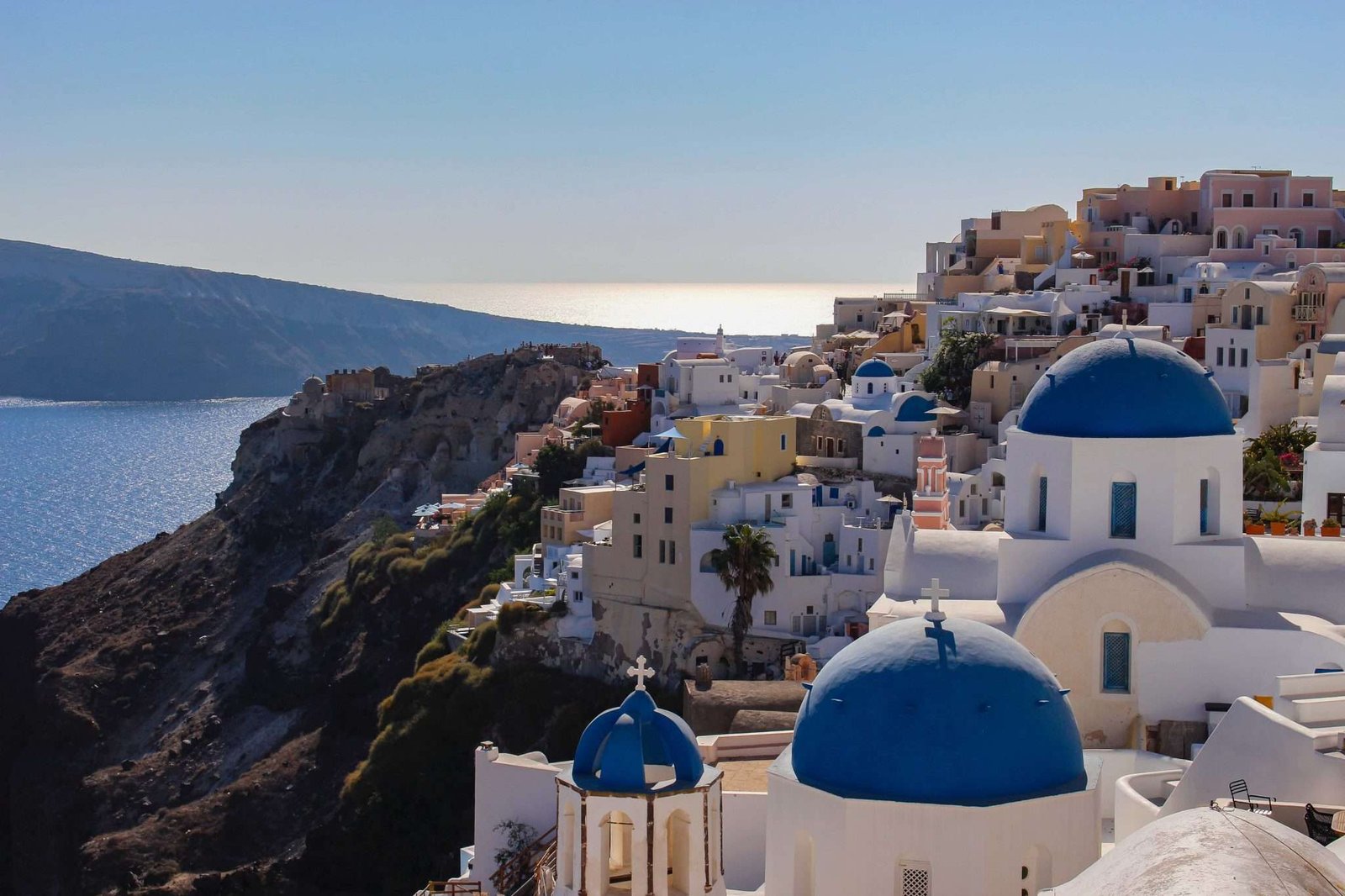
Santorini

Santorini is one of the most iconic Greek islands in the world. The island rose dramatically from the sea following one of history's most powerful volcanic eruptions, which also created the breathtaking caldera - a vast submerged crater that makes the island instantly recognisable from above. The villages of Oia and Fira perch on the caldera cliffs at heights of over 300m, offering world-famous sunsets over the deep blue Aegean sea.
The island is unique for its volcanic beaches - ranging from red and black to white across different bays. The remarkably preserved Minoan Bronze Age settlement of Akrotiri draws visitors from around the world. Santorini is also celebrated for its Assyrtiko wines grown in volcanic ash soil, producing some of Greece's finest whites. Anchor in the caldera for a spectacular view, or stop at Vlychada port in the south. Do not miss: Sunset from Oia, the Akrotiri archaeological site, wine tasting, the caldera view from Fira.
Mykonos

Mykonos is the star of Greek tourism - the flagship destination despite decades of international attention - receiving nearly one million visitors per year while still retaining its glamorous charm. The village is a maze of small white houses adorned with blue shutters and bougainvillea-covered doorways, painted streets, iconic windmills, pigeon lofts and tiny churches. Traditional port activity (fishermen selling fresh fish at dawn) continues to this day, and the emblematic resident pelicans still wander among passers-by.
Beaches: Elia (popular, gay-friendly), Paradise (fine white sand, beach bars, dancing), Super Paradise, Paranga (quieter), Psarou (frequented by the Greek jet-set). The quieter east side: Kalafati (turquoise waters), Agia Anna, Lia (crystal clear). Do not miss: Little Venice, the windmills at Kato Mili, the old port, Delos sanctuary (day trip by boat).
Paros
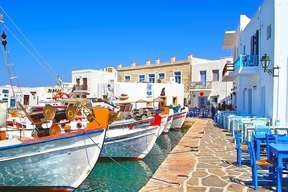
Paros is the third largest Cycladic island, historically renowned for its pure white marble - the same material used for the Venus de Milo and the Hermes of Praxiteles. The Church of Panagia Ekatontapiliani in Parikia is one of the oldest and most beautiful Paleochristian basilicas in Greece. Parikia (the main port) is often crowded; the small port of Naoussa in the north is the real postcard of the island - fishermen's caïques moored alongside restaurant tables set at the water's edge.
The village of Lefkes (in the centre, considered the most beautiful), Marpissa and Prodromos are ideal for exploring inland. Beaches: Kolymbithrès (by boat from Naoussa - unusual rock formations), Golden Beach (international windsurfing championships), Aliki, Molos. Do not miss: Naoussa port, Lefkes village, excursion to Antiparos, the church of Ekatontapiliani.
Naxos
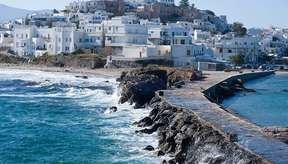
Naxos is the largest and highest island in the Cyclades. The capital Naxos (or Chora, 6,500 inhabitants) is dominated by the iconic doorway of an unfinished Apollo temple - the Portara - standing on a small islet connected to the harbour by a causeway. The Venetian Kastro on a hill above the town is reached via cobbled alleys and vaulted passages. Mount Zaas (1,001m) offers extraordinary 360° views. Mythologically, Dionysus was born here, Zeus spent his childhood here, and Ariadne was abandoned by Theseus here.
The island is fertile and self-sufficient - famous for its potatoes, marbles, Kitron liqueur and cheese. Villages: Apiranthos (marble-cobbled, traditional), Filoti, Apollonas. Many Byzantine churches and monasteries. Beaches: Agios Prokopios and Agia Anna (among the most beautiful in Greece), Plaka, Mikri Vigla (great for windsurfing), Kalandos. Do not miss: The Portara, Agios Prokopios beach, Apiranthos village, the view from Mount Zas.
Milos

Milos, located between Athens and Crete, is world-famous as the birthplace of the Venus de Milo - discovered on the island in 1820 and now displayed in the Louvre in Paris. The island has an extraordinary volcanic landscape: cliffs in every colour (white, red, yellow, green), thermal springs, and an otherworldly coastline with over 50 beaches. Adamas is the main port town. Plaka village has cobbled alleys, the church of Korfiatissa, two museums and the Kastro with sweeping sea views.
Klima is one of the most photographed fishing villages in Greece - colourful syrmata (boat garages carved into the volcanic rock with brightly painted wooden doors). Sarakiniko's white rock formations and turquoise water are unique. Pollonia is the second port, a resort village around a large sandy bay with ruins of the ancient site of Fylakopi. Do not miss: Plaka and Klima villages, Sarakiniko beach, boat trip around the island.
Ios
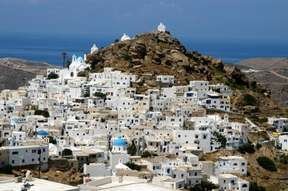
Ios became famous in the 1960s as one of Greece's first hippie islands, and has been celebrated for its intense and vibrant nightlife ever since. Yet beyond the bars and the party beach, Ios is a small island (117 km²) of remarkable natural beauty - with beautiful coves, secluded bays and ancient paths. According to tradition, Homer was buried here.
Chora is a beautifully preserved Cycladic village - dazzling white with narrow flowery streets and dozens of chapels. Climbing to the hilltop chapel gives exceptional views across to Sikinos and Folegandros at sunset. Mylopotas is one of the finest beaches in the Cyclades - a very large sandy beach with various beach bars and water sports. Do not miss: Chora by day, Chora by night, the southern beaches, the tomb of Homer at Plakoto.
Folegandros

Folegandros (32 km², ~650 inhabitants) lies between Milos and Sikinos - a small, arid and mountainous island that has become one of the most sought-after destinations for discerning travellers who want authentic Cycladic life without the crowds. Three villages: Karavostasi (the port, a beautiful pebble cove), Chora (the capital - one of the finest Cycladic villages in Greece) and Ano Meria (deeply agricultural and authentically traditional).
The Kastro quarter in Chora is a Venetian fortified village with interlocking medieval houses forming its outer wall. The Church of Panagia, dramatically positioned on a clifftop above the village, has a truly magnificent panorama over the island and the sea. Beaches: Agali (main beach below Chora, by foot or bus), Ambeli (beautiful, quieter), Katergo (pebble, only by boat - the most beautiful). Do not miss: Chora village, the chapel of Panagia at sunset, the boat to Katergo beach.
Sifnos
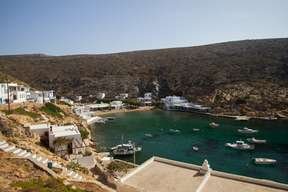
Sifnos (~3,000 inhabitants, 78 nm from Piraeus) is one of the most loved Cycladic islands for its combination of gastronomy, pottery crafts and beautiful villages. Kamares is the main port on the west coast - a sheltered bay with a sandy beach and pottery workshops. Apollonia, the inland capital, is a labyrinth of elegant lanes with boutique restaurants, galleries and lively bars.
Artemonas (1.5 km from Apollonia) is the most beautiful village on the island - Venetian and neoclassical mansions, ancient tower ruins and panoramic sea views. Kastro was the ancient capital: a medieval walled town with remarkable architecture still inhabited today. Faros is a small fishing village with a lighthouse and three sandy beaches, near the much-photographed Chrissopigi monastery built on a sea rock. Do not miss: Chrissopigi monastery, Kastro and Artemonas, Vathi bay, the local gastronomy.
Koufonissi

Koufonissi is the smallest inhabited Cycladic island at just 4 km² - and arguably the one that has earned the most ardent following in recent years. Its golden sandy beaches with crystalline, lagoon-coloured water have given it a reputation as one of the most beautiful spots in the Cyclades. Once a den for pirates, Koufonissi is part of the Small Cyclades group. It is practically car-free with an interesting summer nightlife scene far from the hedonism of Mykonos.
Chora is the only village - small churches, a windmill, an art gallery and the port of Karnagio with its old mill. A coastal path leads to more beautiful coves around the island. The beach of Pori (45 min on foot, or by caïque) is a real lagoon of extraordinary beauty. Do not miss: Pori Lagoon, the coastal walk, a boat trip to Kato Koufonissi (the uninhabited sister island).
Syros
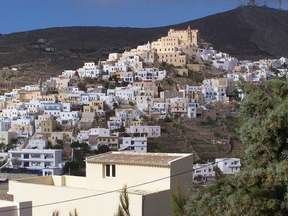
Syros is the administrative capital of the Cyclades - its most populous island (86 km², 30,000 inhabitants) and its commercial and cultural centre. Named after Hermes, god of commerce, the island was one of the busiest commercial ports in the eastern Mediterranean in the 19th century. Ermoupolis, the capital, is all classical romantic grandeur - marble artery leading to the Annunciation Church, Miaoulis Square and the magnificent Apollo Theatre (a miniature of Milan's La Scala).
Syros is the birthplace of Rebetiko singer Markos Vamvakaris and the home of the famous loukoumia (Greek delight) exported worldwide. Ano-Syros (founded 1207) is the medieval Venetian hilltop capital with 400 carved steps and narrow Cycladic lanes. Galissas is the most famous beach resort. Do not miss: Ermoupolis, the Apollo Theatre, Ano Syros, Kini fishing village, Galissa beach.
Amorgos

Amorgos is the easternmost Cycladic island, wild, mountainous and dramatically beautiful. There are two ports: Katapola (in the centre of the island) and Órmos Aighialis (in the north). Chora, the capital, perches at 320m altitude. The island gained international fame when Luc Besson filmed "Le Grand Bleu" (1988) in Chora and at the foot of the monastery. The Chozoviotissa monastery - one of the greatest sights in the Aegean - appears to grow from the vertical cliff face where it has clung for a thousand years.
The island divides naturally into three areas: the Egiali villages in the north (Tholaria, Lagkada - ideal for hiking), Katapola / Chora in the centre, and Kato Meria in the south. Nikouria islet (off Egiali bay) is accessible by small boat and has a spectacular beach. Do not miss: The Chozoviotissa monastery, all the villages, Mount Minoa at sunset, excursion to the Small Cyclades.
Serifos
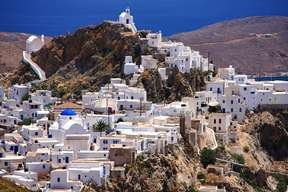
Serifos (78 km²) is a rugged, beautiful Cycladic island with excellent sandy beaches, a lively port and an ancient hilltop Chora. Livadi is the main port - a deep welcoming gulf offering good shelter for yachts. The nearby beaches are outstanding: Karavi (a two-minute walk), Avlomonas (5 min, crystal clear water), Lia (turquoise, lined with tamarisk trees), Agios Sostis and the famous Psili Ammos (golden sand, crystal clear, widely considered one of the best beaches in the Cyclades).
Chora rises dramatically above the port on a conical hill - ancient cobbled streets, a ruined Venetian citadel, a small archaeological museum and sweeping views. The 17th-century Monastery of the Taxiarchs holds an icon brought from Cyprus. Greek mythology says Perseus brought the head of Medusa to Serifos, turning the island's inhabitants to stone - explaining the many rocky outcrops. Do not miss: Chora, Psili Ammos beach, Lia beach, the port of Livadi.
Tinos
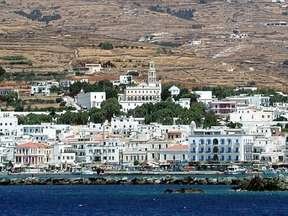
Tinos is located in the northern Cyclades between Andros and Mykonos. It is the most important Orthodox pilgrimage site in Greece, attracting hundreds of thousands of pilgrims each year on March 25 and particularly on August 15 (Feast of the Dormition). It also has a historically significant Catholic community of its own. The island is dominated by the twin-peaked Exombourgo rock (640m), crowned by a Venetian fortress.
The village of Pyrgos is world-renowned for its marble-carving tradition, with a School of Fine Arts and artisan workshops. Kardiani (16 km from Chora) and Volax (with its extraordinary landscape of volcanic granite boulders, basket weavers still practising their traditional craft) are two of the most distinctive villages in the Cyclades. Beaches: Porto, Pacheia Ammos (turquoise, golden), panormos port (picturesque), Kolimbithra (two beautiful sandy beaches). Do not miss: Pyrgos, Kardiani, Volax, Panormos port, Kolymbithra bay.
Andros

Andros is one of the largest Cycladic islands (380 km²) - the most northerly, most fertile and most wooded of the archipelago. Positioned between Euboea and Tinos, it is well-known for the exceptional quality of its springs and streams (rare in the Cyclades). In antiquity the island was famous for its wines and dedicated to Dionysus. The local architecture differs from most Cycladic islands: large neoclassical mansions with tiled roofs and gardens.
The capital Chora (Andros town) is one of the most elegant and underrated villages in the Cyclades, with a peninsula position overlooking two bays. It has a remarkable Museum of Contemporary Art. Gavrio, Batsi and Ormos Korthiou are the main ports. The monasteries of Agios Nikolaos and Panachrantou are important Byzantine sites. Do not miss: Chora village, the west coast beaches, Agios Nikolaos and Panachrantou monasteries.
Kythnos
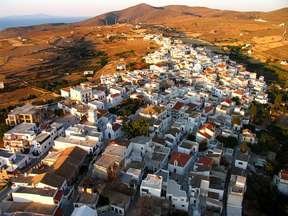
Kythnos (100 km², ~1,600 inhabitants) is a quiet, authentic island in the western Cyclades, only 85 km (about 3.5 hours by ferry) from Athens. Despite its 100 km of coastline and over 60 beaches, it remains one of the least visited Cycladic islands - making it a genuine escape for those in the know. The port of Merichas is the gateway. Chora is a beautiful village of flowery narrow streets, windmills and a Byzantine museum.
Loutra is an elegant spa village with natural hot springs with a year-round stable temperature - historically famous since antiquity. Dryopida is probably the most beautiful traditional village on the island, with tiled roofs and stone-paved lanes. Katafiky Grotto is one of the largest in Greece. The Panagia Kanala monastery (pilgrimage on August 15) has a miraculous icon. Do not miss: The beaches around Agios Loukas, Chora and Driopida villages, Loutra thermal springs.
Antiparos
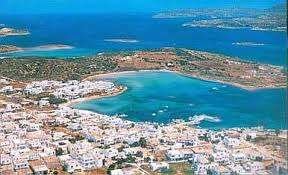
Antiparos is a small, charming island separated from Paros by a narrow channel of just 500m-1km. The village is sparkling white with a small port lined with restaurants, a Venetian kastro at its centre and many beautiful beaches scattered around the coastline. The island is popular with Greek families and international visitors looking for a quieter alternative to busy Paros.
The main tourist attraction is the famous Cave of Antiparos - known since 1673 when the French Ambassador Marquis de Nointel celebrated a Christmas Mass with 500 candles on a giant stalagmite 90m underground. The archaeologist Theodore Bent discovered the first known Neolithic Cycladic civilisation traces on the nearby islet of Despotiko. Do not miss: The old village Kastro, the cave, the beach of Agios Georgios bay, the excursion to Despotiko.
Delos
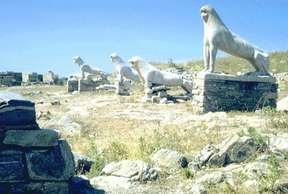
Delos (3.5 km²) is tiny, arid and uninhabited - but it was once the most sacred island in the entire ancient Greek world. Located just off Mykonos, the port is always exposed to the meltemi winds, and the island is inaccessible when the wind rises. According to Greek mythology, Delos was the birthplace of Apollo and his twin Artemis - born to Leto, hidden on this floating island from Hera's wrath.
The entire island is one of the most important and extensive archaeological sites in Greece. UNESCO World Heritage Site since 1990. The museum houses extraordinary finds from excavation of the sanctuaries, theatre, agora, houses and warehouses of what was once the commercial centre of the eastern Mediterranean. Visiting is only possible as a day trip by boat from Mykonos or Paros - no overnight stays are permitted.
Kea
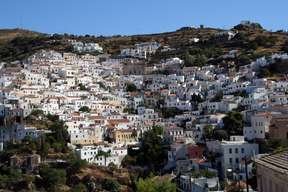
Kea (148 km², ~2,400 inhabitants) in the northern Cyclades, just 16 nm from Lavrio and 12 nm from Cape Sounion, is less frequented than most of its Aegean neighbours - making it a local favourite escape from Athens. The port of Korissia sits above the site of ancient Korissos. Ioulida, the capital 5.5 km from the port, perches on a mountain and has a 13th-century Venetian castle, frescoes by artist Alekos Fassianos and an Archaeological Museum.
The island's most famous site is the Lion of Kea ("Lionda") - a remarkable 6m high archaic sculpture carved from granite around the 11th century BC, found in the undergrowth north of Ioulida. The ancient city of Karthea (southeast coast) is only reachable by a demanding hike or by boat, but the setting - Doric temple ruins above a sea cliff - is extraordinary. Beaches: Otzias, Koundouros (water sports centre), Korissia.
Kimolos
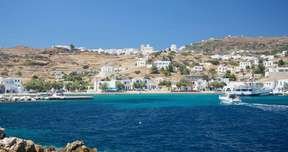
Kimolos (37 km²) is a small island directly opposite Milos, named from the Greek word "kimolia" (chalk) because of its white rock and soil. Very little tourism reaches here, making it one of the most authentic islands in the Cyclades. Psathi is the tiny harbour with its three taverns. Chorio is the charming capital village. Once geologically united with Milos (the two islands were separated by a prehistoric earthquake), Kimolos belonged to the Venetian Duchy of the Archipelago in the 13th-16th centuries.
The Old Kastro dominates the village. A small archaeological museum documents the island's significant ancient past. The ancient port ruins lie submerged underwater off Mavrospilia - visible by snorkelling, one of the most interesting underwater archaeological sites in the Aegean. Beaches: Bonatsa (wide sandy beach), Mavrospilia (long, little-frequented). Do not miss: The village of Chora, Mavrospilia beach (and the submerged ruins), boat trip with Milos.
Sikinos

Sikinos (41 km², ~350 inhabitants) lies between Ios and Folegandros on the southwestern edge of the Cyclades. Small, preserved and authentic, it is one of the least visited Cycladic islands - a genuine off-the-beaten-track discovery. Two villages: Kastro (the fortified upper village with a monastery on the cliff) and Chora (the main village). According to mythology, Thoas, king of Limnos, drifted to the island in a chest and his name became the island's earliest name.
The most famous archaeological site is Episkopi - a converted Roman heroon (possibly a mausoleum, reused as a Byzantine church), set on a hilltop with sweeping views. Beaches: the port beach (with tamarisk shade), Dalisakari, Agios Georgios (sandy, accessible by road - the best beach), Agios Pandeleimon (1.5 hours walk). Do not miss: The Episkopi site, the cliff-side monastery, Agios Georgios beach.
Iraklia
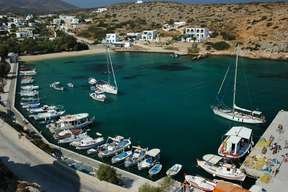
Iraklia is a small island northeast of Naxos with only around 120 permanent inhabitants, spread between two villages: Panagia (in the centre of the island) and Agios Georgios (the port). It is part of the Small Cyclades archipelago - six islands, all inhabited in antiquity, then abandoned, and resettled from the 18th century onwards. The unhurried pace, complete lack of crowds and remarkably clear water make it a favourite for those seeking total tranquillity.
Livadi beach is the largest and most impressive on the island - a long sandy beach with crystal-clear water, reachable by a 4km road from the port that follows the coastline. Agios Georgios beach (sandy, popular with yachts) is right next to the port. The Cave of Agios Giorgos (stalactites in a natural sea cave) is one of the finest in the Cyclades. Do not miss: Livadi beach, the cave of Agios Giorgos, the village of Panagia.
Donoussa
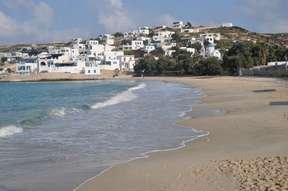
Donoussa is the easternmost of the Small Cyclades, lying east of Naxos (120 nm from Piraeus, ~160 permanent inhabitants). Popular with Greek visitors and Athenians in summer, it retains an authentic and unhurried atmosphere. The island has beautiful sandy beaches with very clear water. The main village and harbour is Stavros - about 50 small white houses on a hillside facing the sea.
Livadi is considered the most beautiful beach on the island - a long sandy bay with perfect turquoise water. From the village, the beach of Kendros is just a 10-minute walk, set between two pale rock cliffs with beautiful fine sand. Do not miss: Livadi beach, a boat trip to the cave and Kalotaritissa, a full island walk that reveals the entire coastline.
Anafi
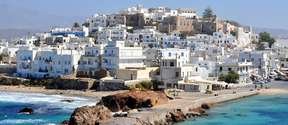
Anafi (37.5 km², ~273 inhabitants) is the extreme southeastern Cycladic island - the furthest from Athens and about 1.5 hours by boat east of Santorini. Wild, beautiful and ideal for total relaxation, Anafi was created by Apollo according to legend - he caused the island to emerge from the sea in a flash of light to offer shelter to the Argonauts during a violent storm as they returned home with the Golden Fleece.
Chora, the only village, is typically Cycladic - brilliant white houses tumbling down the hillside above the sea. The port is Agios Nikolaos. The island is renowned for its beautiful isolated beaches (Klisidi is the most accessible, Roukounas is the longest, Katalymatsa is the wildest) and extraordinary hiking trails, including the coastal path to the Monastery of Panagia Kalamiotissa perched on the highest rock on the island with views all the way to Crete. Do not miss: The coastal path to the monastery, the view from Mount Kalamos, the unspoilt beaches.
Ready to Sail the Cyclades?
Choose from over 400 vessels based in the Cyclades. Our agents will help you build the perfect itinerary.